Rainy days in Central Texas are usually a welcome break from the heat, but for many homeowners, a heavy downpour brings more than just green grass—it brings gurgling toilets and slow sinks. If you notice your plumbing acting strangely every time a storm rolls through, you aren't alone, and it isn't just a coincidence. Understanding the connection between the weather and your pipes is the first step toward protecting your property from water damage and expensive repairs.
The Relationship Between Heavy Rain and Your Pipes
When a large amount of rain falls in a short period, the ground becomes saturated, meaning it simply cannot hold any more water. This extra moisture puts immense pressure on your underground plumbing, especially your main sewer line. If there are any tiny cracks or loose joints in your pipes, the rainwater will force its way inside.
This process, often called "inflow and infiltration," can quickly overwhelm a system designed only to handle household waste. Once the pipes are full of rainwater, there is no room for your sink or toilet water to go, which leads to those frustrating backups.
Several factors contribute to why this happens more often in our local area:
- Saturated soil expands and shifts, which can physically bend or crack older pipes.
- Tree roots are naturally drawn to the moisture inside your pipes and grow faster after heavy rains, causing blockages.
- High water tables can push groundwater into older sewer systems through porous materials like clay or concrete.
Common Signs of Rain-Related Plumbing Trouble
You don't always need to see a flood to know your drains are struggling with the weather. Often, your home will give you small warning signs that the outdoor rain is affecting your indoor plumbing. Paying attention to these signals can help you take action before a minor annoyance becomes a major emergency.
One of the most common signs is the "gurgle," which happens when air is trapped in the lines by rising water levels. You might hear your toilet bubbling while you're running the dishwasher or notice bubbles in the sink during a storm.
Keep a lookout for these red flags during the next storm:
- Multiple drains in the house are slowing down at the same time.
- A distinct smell of sewage is coming from the floor drains or the basement.
- Toilets that won't flush properly or seem to have "low" water levels during rain.
- New wet spots or "mushy" areas in your yard that don't dry up quickly.
Why the City Sewer System Matters to You
Sometimes, the problem isn't actually inside your home at all, but out in the street. During massive rain events, municipal sewer systems can become overtaxed by the sheer volume of runoff. When the city lines are full, the water can actually push backward toward your house.
This "backflow" is one of the most common reasons for basement flooding during storms. While you cannot control the city's infrastructure, you can protect your own property by ensuring your home has the right safety features in place.
A few things that impact this include:
- The age of your neighborhood's infrastructure and how well it handles modern runoff levels.
- Whether your home has a backflow prevention device installed to stop water from flowing the wrong way.
- The elevation of your home compared to the main sewer line in the street.
How to Protect Your Property Before the Clouds Roll In
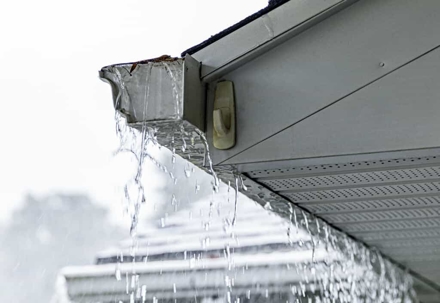
The best time to deal with a rain-related clog is before the rain actually starts. Regular maintenance is a small investment that prevents the stress of a midnight plumbing disaster. Simple steps like keeping your gutters clear can actually help, as they keep excess water away from your foundation and your sewer cleanouts.
Property owners who stay proactive often find that their systems last longer and perform better under pressure. It is about creating a clear path for water to leave your home without any obstacles.
Consider these preventative steps for your home:
- Ensure your gutters discharge water at least 5-10 feet away from your home's foundation.
- Avoid planting large trees directly over your main sewer line to prevent root intrusion.
- Have a professional check your sump pumps to ensure they are ready for the extra workload.
When to Bring in the Professionals
While there are small things you can do yourself, rain-related plumbing issues often involve the main lines buried deep underground. These are not areas where a simple bottle of drain cleaner will help. In fact, chemical cleaners can often damage your pipes further.
Expert help is necessary when you are dealing with structural issues like collapsed lines or heavy root growth. Professionals have the tools to see what is happening underground without having to dig up your entire yard.
Keeping Your Drains Clear Through Every Storm
In summary, heavy rain causes drains to act up because of soil saturation, increased pressure on pipes, and potential issues within the city sewer system. Signs like gurgling toilets, slow drains, and sewage odors should never be ignored during a storm. By maintaining your gutters, being mindful of tree roots, and seeking expert diagnostics, you can keep your home dry and functional.
If your drains are acting like they have a mind of their own every time it pours, it is time for a professional eye. BSR Plumbing has been serving our neighbors since 1980 with speedy and reliable solutions. Don't wait for the next downpour to turn into a flood.
Get ahead of the storm today. Contact BSR Plumbing or call us at (254) 452-5490 for a professional evaluation and the peace of mind you deserve!